
Did you know?
- If a child makes it to age 21 without smoking, drinking, or doing drugs, he or she is likely never to become addicted—which shows that it is mainly an adolescent problem that can be prevented
(CASA –National Center on Addiction and Substance Abuse at Columbia University) - A child’s peers are the #1 greatest risk factor in whether they will experiment with tobacco, alcohol, and other drugs
- The family is the #1 greatest protective factor in a child’s life to keep them from choosing to use tobacco, alcohol, and other drugs
- Parents trained in bonding, setting boundaries and monitoring their child’s activities can help prevent most teen drug and alcohol abuse, allowing them to grow up with happier family relationships and brighter futures
RISK & PROTECTIVE FACTORS
There are both risk factors and protective factors that can contribute to harming or protecting youth from substance abuse and other delinquent behaviors.
Risk factors have the potential to harm children and make it more likely that they will choose to use tobacco, alcohol, and other harmful drugs. Protective factors help prevent substance abuse. The protective factors are the areas that we need to try to maximize in our children’s lives as much as possible.
The four major areas of influence in a child’s life which can be sources of harm or protection are their:
- Society & Community
- Peers/Friends
- Family
- Individual personality
SCFP International seeks to minimize the risk factors in a child’s life and increase their protective factors. This helps to build a child’s personal resiliency against potential problems in their lives and increases the chances that they won’t resort to using alcohol or other drugs to cope with their problems. Most importantly, it is Scripture-based, and points them to a personal relationship with Jesus to help them cope with their problems.

Drug Fact Book
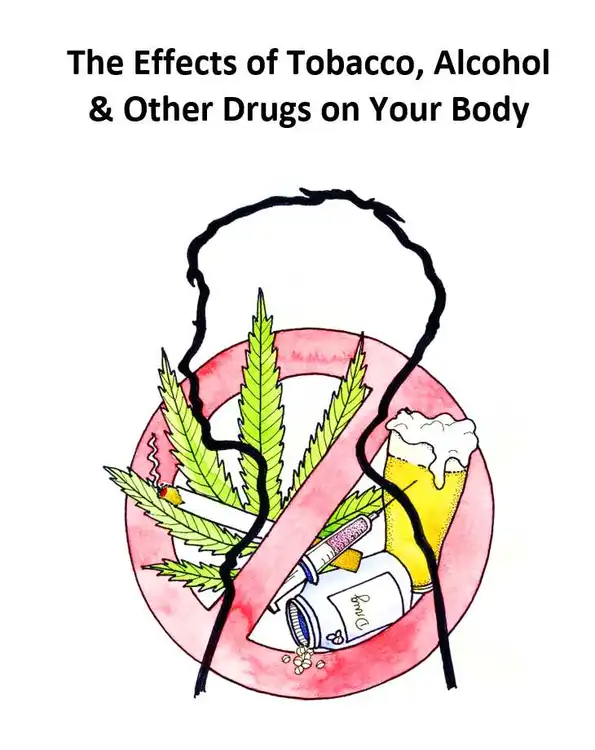
There is a drug fact book called, The Effects of Tobacco, Alcohol, and Other Drugs on Your Body, that gives simple information about addiction. It can be used on it's own, or as a supplement to Lessons 13 and 14, which address the issues of alcohol and other drugs.